
Red Bali Kratom: Your Ultimate Solution for Natural Pain Relief
Kratom has become a popular remedy for pain management. It turns out that the plant comes in multiple subspecies, which differ considerably in their overall analgesic effects.
Red Bali is one of kratom’s most iconic strains. In this post, we look at what this cultivar is, its signature effects, and how it might treat pain.
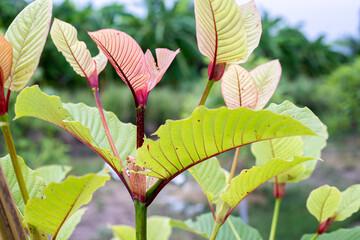
Photo Credit: AdobeStock.com
Introducing Red Bali Kratom
Red Bali is one of the first names you’ll encounter while searching for kratom subspecies. The strain has garnered significant interest among kratom users for its powerful therapeutic effects.
Red Bali kratom is essentially a red-vein kratom strain native to the Bali province of Indonesia. Perhaps we should back up and understand what “red-vein” denotes.
As already hinted, kratom occurs in several subspecies. These cultivars derive their names from their leaf coloration and native range.
The three primary kratom strains by leaf pigmentation include red-vein, white-vein, and green-vein. The colors represent the distinct pigments of the tree’s leaf veins.
It’s important to note that all three kratom subspecies occur in the same trees. Kratom leaves start out white before turning green and eventually red. As you shall find, each strain has its defining effects.
It’s also worth noting that all kratom subspecies are native to Southeast Asia. However, the strains may get their names from the specific regions in which they flourish within this expansive region. That’s how we end up with Red Bali and other regional cultivars like Green Malay and White Indo.
What Differentiates Red Bali from Other Red-vein Kratom Strains?
Bali has a tropical climate, like much of Southeast Asia. The province is noted for its moderate temperature all year round, which staggers between 68 and 90 degrees Fahrenheit (20 – 32 degrees Celsius). That falls within kratom’s recommended growing temperature range of 70 – 90 degrees Fahrenheit.
Bali also boasts the ideal humidity conditions for cultivating kratom.
However, perhaps what sets Bali apart from other Southeast Asian regions is its rich regosol soil. Although relatively low in nitrogen, regosol is rich in many useful nutrients, particularly phosphorus, and kalium.
So, it’s understandable why Red Bali and other Bali-originated kratom subspecies possess such powerful therapeutic properties.

Photo Credit: AdobeStock.com
How Does Red Bali Kratom Treat Pain?
Red Bali treats pain like most other kratom subspecies. When consumed, the two primary bioactive compounds in the strain – mitragynine and 7-hydroxy mitragynine – relieve pain by impacting various opioid receptors in the brain. Multiple studies have established a relationship between kratom intake and high pain tolerance.
It’s worth noting that Red Bali affects the same group of receptors as conventional opioids. However, due to the strain’s partial effects on opioid receptors, products infused with this subspecies are far less addictive than regular opioids.
Red Bali exerts its analgesic effects in various other ways besides impacting opioid receptors. The strain may soothe inflammation by blocking the release of cytokines.
Inflammation is a leading cause of pain. So, by inhibiting the body’s inflammatory responses, Red Bali directly improves pain signaling.
What Are The Mental Effects Of Red Bali Kratom?
Red-vein kratom strains are generally mellowing. That explains Red Bali’s efficacy in pain management. Products formulated with this kratom subspecies can be incredibly soothing if properly dosed.
Red Bali’s calming effects make it a potential remedy for mental health conditions like stress, anxiety, depression, and even insomnia. You can consume the strain late in the evening to detox from all the stressful experiences of the day as you prepare for restful sleep.
Red Bali is also mildly stimulating. It’s nearly half as energizing as white-veined strains, famous for their uplifting effects.
Many kratom users love Red Bali for its ability to induce balanced effects. The strain isn’t overly sedating like most red-vein subspecies or excessively stimulating like white-veined cultivars. So, you can administer it for pain relief without experiencing significant shifts in your mental framework.
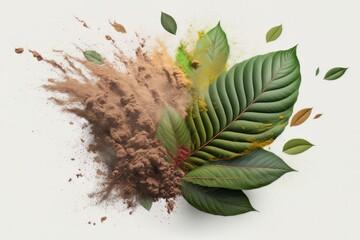
Photo Credit: AdobeStock.com
What Does Red Bali Taste Like?
Kratom’s taste determines its overall effects. Red Bali can have a variety of flavors, depending on whether it’s raw or processed.
Raw Red Bali is earthy and a little bitter. As for the strain’s processed forms, the taste will vary based on the flavorings used.
What Are The Various Ways To Take Red Bali?
Red Bali comes in multiple formulations, each intended for specific delivery methods. Below are the various ways to administer this kratom strain:
1. Consuming Powdered Kratom
Powdered Red Bali is basically Red Bali in powdered form. To administer the strain, measure your desired amount depending on your standard dosage, toss the powder into your mouth, and wash it with water.
If you find the aftertaste unbearable, replace water with a flavored beverage or your favorite snack.
2. Drinking Kratom Tea
Red Bali tea is remarkably effective. The drink takes effect much sooner due to its high alkaloid concentration.
Harvest fresh kratom extracts to brew Red Bali tea and let them dry in the sun. Crush the dried leaves and add them to simmering water. Allow the mixture to infuse into a liquid, filter out the solid, and enjoy your drink.
3. Swallowing Capsules
Capsules come in predetermined Red Bali doses, making them incredibly easy to administer.
Encapsulated Red Bali also lets you consume the strain without dealing with kratom’s bitter aftertaste. And thanks to their discretion and portability, you can bring Red Bali capsules wherever you go.
4. Administering Extracts
You can also avail of Red Bali in various extracts. These are mostly industrially prepared kratom-based products.
Examples include e-juices for vaping, aromatherapy oils for direct inhalation, topicals for external application, and edibles (like gummies and baked goods) for oral consumption.
How Much Red Bali to Consume?
Red Bali has no standard dosage. However, seasoned users recommend starting with around 2 grams of the strain daily.
Allow up to 48 hours between doses for your body to acclimate to Red Bali. This is necessary to gauge your individual sensitivity and tolerance for the strain.
Overdosing on Red Bali may trigger a host of adverse effects, such as nausea, drowsiness, and fatigue. Long-term exposure to the strain may lead to anorexia, insomnia, erectile dysfunction (ED), and unhealthy weight loss.
Even if you do not react adversely to Red Bali after the 48-hour period, it’s best to stick to a dosage that works for you. Most importantly, stop using the strain as soon as your pain disappears. This minimizes the risks of addiction and dependency.

Photo Credit: AdobeStock.com
Summary
Red Bali is one of the most powerful kratom subspecies. However, the strain’s analgesic effects depend on proper administration. Like other kratom cultivars, Red Bali is only effective if moderately dosed.