
NAD Vs NMN – Difference Everyone Should Know About
In the realm of cellular health and longevity, two compounds have emerged as key players – NAD and NMN, offering enhanced metabolic functioning.
Supporters point to promising research on both for reversing manifestations of natural aging decline. But the similarities between nicotinamide adenine dinucleotide (NAD) and its precursor nicotinamide mononucleotide (NMN) also breed confusion on differences between the two.
So, what distinguishes NAD from NMN precisely regarding mechanisms, dosage, results, and ideal pairing? Read on to learn critical distinctions between these proven supplements to incorporate into any longevity protocol.

NAD and NMN: Cellular Dynamics
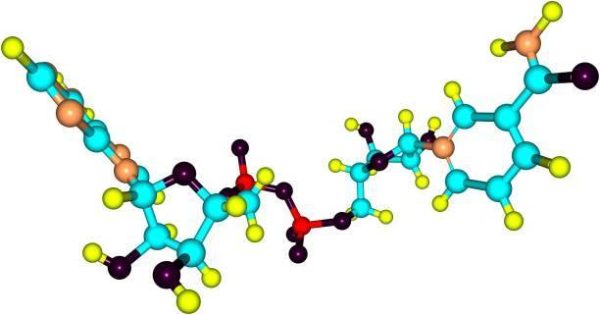
Nicotinamide Adenine Dinucleotide (NAD) is a crucial coenzyme present universally in living cells, essential for metabolic reactions and the generation of energy. As individuals age, the diminishing levels of NAD+ have sparked interest in approaches such as Nicotinamide Mononucleotide (NMN), a precursor to NAD+.
Pure NMN powder, derived from vitamin B3, shows potential in boosting NAD+ levels. This, in turn, may counteract age-related health decline and demonstrate beneficial effects on metabolism and mitochondrial function, as evidenced in studies on animals. However, understanding the enduring impacts of NMN supplementation in humans remains an active area of ongoing exploration.
NAD Precursor NMN
In this context, the NAD precursor NMN provides a specific replenishment potential that is not fully addressed by whole-body NAD support alone. As Nicotinamide Mononucleotide, NMN comprises the last step before crossing the cell membrane to complete NAD synthesis in mitochondria.
So, instead of generalized boosting, NMN efficiently converts directly to NAD via protein transporters with minimal waste or effort. Once inside, pure NMN powder facilitates quick mitochondrial NAD generation for amplified energy output.
This optimizes function even as external NAD supplies keep declining systemically over time. NMN administration offsets natural deterioration that people experience as early as age 40. Unlike other precursors, the focused action substantially increases NAD cell saturation quickly upon digestion.
Cellular NAD Decline
First, understand the critical biological role of NAD and why your supplies deplete over time. NAD constitutes an essential coenzyme driving cellular energy metabolism and DNA repair activities within mitochondria.
NAD captures electrons during food molecule breakdown that are later utilized in manufacturing ATP molecules. This ATP powers all other physiological functions through energy transfer.
However, constant NAD cycling between oxidized NAD+ and reduced hydrogen-carrying NHADH forms causes natural deterioration during energy generation. By age 50, your average NAD levels have already dropped by half.
The NAD activity drain then accelerates dysfunction across vital systems over the decades. Organs and tissues degrade further as mitochondria cannot maintain optimal performance.
This downward spiral explains many aging-related declines across organs. Preserving youthful NAD levels then helps safeguard long-term wellness in several ways.

Mechanistic Differences
What differentiates external NAD or NMN from entering the bloodstream for cell utilization?
Exogenous NAD directly supplies preformed compounds to enhance systemic circulation capacity. As the oxidized NAD+ type, it activates instantaneous enzyme reactions when absorbed into tissues and fluids.
Hence several critical processes, like DNA repair, happen immediately with supplementation. This bolsters gene stability and expression, neurotransmission, immunity, glucose metabolism, and more.
However, unmodified NAD is largely too bio-unavailable to effectively boost reserves inside cellular mitochondria walls. Almost 90% degrades during phase 1 digestion metabolism without crossing gut walls.
Any surplus circulating then clears quickly in urine without improving long-term energy cycles. However, clever molecular adjusting maximizes NMN’s mitochondrial conversion ability in comparison.
Attaching a phosphate group to NMN facilitates faster absorption from digestion into tissue. This lets higher concentrations pass through membranes to engraft optimally.
Result Differences
Beyond the technical reactions, what manifest physiological changes result from NAD versus NMN supplementation? Both aim to amplify NAD+ reserves, simultaneously fueling all metabolism and cell renewal tasks over time.
Broadly speaking, their bioactivity seeks to reverse or prevent aging decline across mental acuity, physical performance, chronic disease risks, and longevity metrics. However, their action mechanisms differ regarding effects on particular areas people prioritize. Whole body NAD broadly offers immediate support for DNA damage repair, neuroprotection, immunity, and blood sugar management.
The generalized tissue saturation improves structural protein development like collagen for skin elasticity. NAD activates the sirtuin gene SIRT1, which also regulates aging from a DNA level.
Meanwhile, NMN first elevates specifically declining energy metabolism based on the mitochondria of all cells. Organs with higher metabolic output see amplified gains, like muscles for strength and endurance or brains enhancing cognition.
Ideal Pairing
Given the unique mechanisms among NAD and NMN, combining both offers maximal benefit harnessing synergy. NAD fuels DNA support and protein construction immediately, keeping gene expression healthier.
NMN then penetrates far deeper, optimizing internal energy regeneration that powers all other long-term renewed cell activities. Think of NAD as restructuring deteriorating cellular infrastructure from the outside in first. Then, NMN reactivates the internal energy recycling functions to keep metabolic output thriving daily.
Dual delivery allows both rejuvenating critical structures while optimizing mitochondria where overall health and aging manifest exponentially. This compounding renewal effect accumulates with consistent daily dosing over many months.
So, assess personal health goals when selecting standalone or stacked anti-aging supplements. Protecting cognition, heart health, and metabolism benefits hugely from joint administration.
Just phase doses, starting with NAD and adding NMN several weeks later to acclimate to detox effects. Enjoy amplifying results as the power combination fuels adequate NAD reserves through increased biosynthesis velocity and direct contributions.

Conclusion
Maximizing declining NAD cell saturation shows promise in alleviating aging’s downward health and appearance effects. Both NAD and precursor NMN effectively elevate supplies using distinct pathways.
Direct NAD floods tissues immediately, activating repair and protective mechanisms universally. But NMN shuttles straight into mitochondria powerhouses, bolstering long-term youthful energy output.
For amplified rejuvenation, a dynamic duo approach harnesses both direct and metabolic renewal simultaneously. So, consider stacking NAD with NMN in any daily health protocol prioritizing resilience. Aging gracefully through your later decades may reward efforts in optimizing cellular NAD capacity from multiple angles of attack.