
Wabi-Sabi Wisdom: Embracing Stories of Thrifted Home Decor Pieces
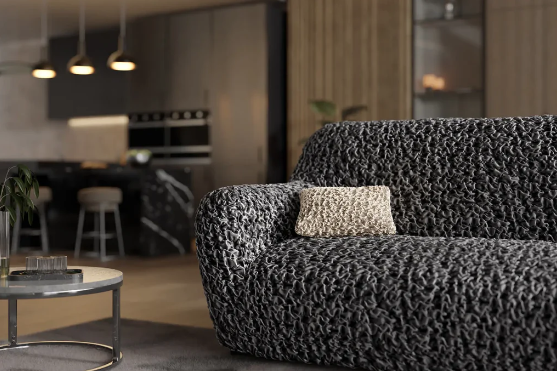
In the bustling world of interior design, where trends come and go like the seasons, there’s a timeless allure to the art of thrifted home decor pieces. Picture this: slipcovers for sofas that whisper tales of yesteryears, ornate picture frames that once adorned the walls of a distant abode, or perhaps a weathered vase that stood witness to countless stories.
Wabi-Sabi, a Japanese worldview that celebrates imperfection and impermanence, finds a perfect companion in the realm of thrifted decor. It’s about cherishing the beauty of wear and tear, of patina and rust, and finding solace in the transient nature of all things. In a world that often values shiny and new, Wabi-Sabi invites us to pause, appreciate the beauty in the imperfect, and find joy in the stories etched into every crack and crevice.
But thrifted decor is more than just a collection of objects; it’s a testament to creativity and resourcefulness. It’s about repurposing and reimagining, giving new meaning to old things, and finding beauty in unexpected places. Whether it’s turning a vintage suitcase into a quirky coffee table or transforming old window frames into charming wall art, the possibilities are endless.
The Essence of Wabi-Sabi: Embracing Imperfection and Transience
At its core, Wabi-Sabi teaches us to embrace the imperfections that define our existence. It’s about finding beauty in the cracks, the wrinkles, and the scars — the very things that make us human. In a world that often values flawless surfaces and sleek designs, Wabi-Sabi invites us to look beyond the superficial and discover the inherent beauty in the flawed and the weathered.
This reverence for imperfection finds a natural home in the world of thrifted home decor pieces. A chipped teacup, a faded rug, or a slightly crooked picture frame — they all carry with them the memories of their past lives, inviting us to appreciate the beauty in their imperfections. In a world where consumerism often encourages us to seek out the latest and greatest, thrifted home decor pieces remind us of the fleeting nature of material possessions.
But perhaps most importantly, Wabi-Sabi encourages us to embrace authenticity in all its forms. It’s about celebrating our unique quirks and idiosyncrasies, rather than striving for an unattainable ideal of perfection. And in the world of thrifted decor, authenticity reigns supreme. Each piece bears the unmistakable stamp of its own individuality, telling a story that is uniquely its own.
Treasure Hunting: The Thrill of Finding Hidden Gems
One of the keys to successful treasure hunting is to arrive early and be prepared to devote ample time to your search. Thrift stores and flea markets are often busiest in the morning, so set your alarm clock and hit the ground running. By arriving early, you’ll have the first pick of the day’s offerings and maximize your chances of finding hidden gems before they’re snatched up by other savvy shoppers.
When scouring thrift stores and flea markets, don’t be afraid to get hands-on with your search. Take the time to sift through piles of clothing, rummage through boxes of knick-knacks, and carefully examine each item for signs of quality and craftsmanship. Another valuable tip is to hone your bargaining skills and be prepared to negotiate prices with vendors. Thrift stores and flea markets are prime hunting grounds for bargaining, and vendors are often willing to haggle to make a sale.
Embracing the Stories and Reviving Thrifted Treasures
Take, for example, a weathered rocking chair with faded upholstery and creaky joints. Perhaps it once graced the porch of a cozy farmhouse, where generations of families rocked away lazy summer afternoons. Or maybe it witnessed the quiet moments of solitude of an elderly couple, who spent their twilight years reminiscing about days gone by.
Another intriguing find might be a vintage typewriter, its keys worn smooth from years of use. Imagine the stories it could tell — the love letters penned in haste, the manuscripts painstakingly typed late into the night, the business proposals that changed the course of lives. For example, a worn-out suitcase can be reborn as a stylish storage ottoman, its faded exterior giving new life with a fresh coat of paint and some decorative upholstery. Or consider transforming vintage mason jars into charming pendant lights, adding a touch of rustic elegance to any space.
Finding Beauty in Imperfection
One strategy for embracing the Wabi-Sabi aesthetic is to focus on simplicity in design and decor. Keep your spaces uncluttered and free from unnecessary embellishments, allowing the inherent beauty of natural materials to take center stage. Opt for minimalist furniture pieces with clean lines and understated elegance, and use a neutral color palette inspired by nature to create a sense of calm and serenity.
In addition to embracing imperfection in individual decor pieces, consider the overall composition of your space. Instead of striving for rigid symmetry and uniformity, aim for a more organic and eclectic feel that reflects the randomness of nature. Mix and match different textures, shapes, and styles to create visual interest and depth, while still maintaining a sense of harmony and balance.