
Power Cord Basics: What You Need To Know
In our modern world, we rely on electricity to do many things. From cooking to lighting and entertainment, many appliances need power to operate. For the power to be transmitted, electrical appliances should connect the device to the socket or the power source. A power cord is one vital tool that helps in electricity connection.
A power cord is an electrical cable that transmits power from the source to a gadget. It can be connected to a television, computer, washing machine, electric heater, or any other domestic appliance. Cords come in many sizes, and the connection endpoint also varies. If you plan to buy a new electrical appliance or upgrade your old power cords, it’s essential to have a basic understanding of the cords for better shopping.
This guide explains cords, the common types, and tips for buying a new one. Keep reading.
What is a Power Cord?
A power cord is a cable that connects electrical devices to the power source. The cord comes with two ends – one connects to the socket and the other to the electrical appliances. Besides the ends, an electrical cord also consists of the following parts:
Conductor
A conductor is the innermost part of a power cord. It consists of wires which help transfer the electric current. Common materials used in making cords include aluminum, steel, copper, and metal alloys.
Insulator
An insulator is a high-power resistant material that protects the conductor and people from coming into contact with the electric flow. The main insulation materials used in power cords include plastic, silicone, and porcelain. Some cords have a thicker insulation material than others.
Types of Power Cords
There are many types of power cords, but they fall under three main categories. Here is a brief description of these types:
1. Direct Current (DC) Cords
DC currents transmit electricity in one direction only. They are the most common cord types, transmitting an electric current from the power source to the appliance. Most DC cables tend to be lighter and smaller than AC ones.
2. Alternating Current (AC) Cords
AC cords help transmit current from an alternating-current power source to the device. Their less stiff configuration helps them withstand the alternating currents. They are the best for long-distance connections and are mostly used in areas with high temperatures.
How to Buy the Right Power Cord
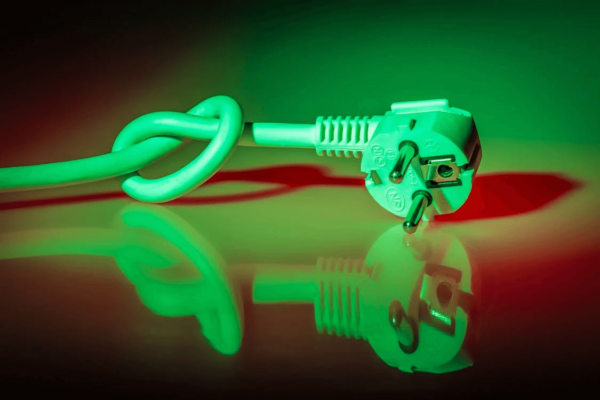
Since power cords come in varying configurations and sizes, you should be keen on the buying process only to get what fits the unique needs of your appliances. Here are the main factors to keep in mind during the buying process.
1. Understand the Appliance
Before you shop, understand the specific type of appliance you will connect with the cord. Different appliances have unique needs when it comes to power connections. For instance, a power cord for an air conditioner or fridge will need to be heavy-duty to transmit current effectively.
2. Check the Plug Design
Some cords have three plugs, while others have two. Some have an elongated plug design that looks like sticks, while others only have holes. Understand the specific plug design of the appliance to avoid buying a cord that won’t fit.
3. Consider the Length
Some cords are long, while others are very short. Longer cords are great when the device is distant from the power source, although they consume much more electricity than the shorter ones. Managing the lengthy cords can also be hard if you have kids. Always go for the shorter ones unless it’s inevitable that you will use the long ones.
4. Confirm the Amperage
Power cords can hold different electricity amperages. As such, knowing how much a cord can transmit and hold is vital. Cords that transmit 15mp and above tend to be thicker, as the insulation materials are wider. Understand your appliance’s voltage needs and pick a cord to manage them effectively.
5. Consider the Environmental Condition
The environment greatly influences the type of power cord you should use. In areas with extremely low temperatures, you will need a thick cable with thick insulation material. Similarly, a thinner one may be preferred in hot areas to prevent overheating.
Conclusion
Power cords are part of our everyday life. We use them to connect common appliances at home and work. Our guide has offered the basics of power cords to facilitate your shopping process in case you need new ones.
Once installed, remember to handle them safely by keeping them off crowded areas. Also, ensure no fluids like water come into contact with the cord. If you suspect your power cords are old and no longer effective, upgrade them to enjoy better functionality and improve electrical safety.