
How To Ensure You’re Getting Enough Protein On A Keto Diet
The keto diet, popular for its low-carb and high-fat approach to life, has prominent advantages in losing weight and retaining mental clarity.
One of the biggest concerns, however, amongst keto followers is whether they’re getting enough amounts of protein to maintain muscles, immune systems, and overall health. Protein may not be the centerpiece of keto, but fat is certainly the star.
If you’re treading keto life, this guide will show you how to ensure you get the right amount of protein while still staying in ketosis.
How Much Protein Does One Need?
On a ketogenic diet, protein should comprise about 10-20% of your daily calorie intake.
That number can vary depending on body weight, muscle mass, and activity level, but as a rough estimate, it generally is wise to aim for about 0.6 to 1.0 grams of protein per pound of body weight. In other words, for someone weighing 150 pounds, 90-150 grams of protein per day would ensure you’re getting enough protein.
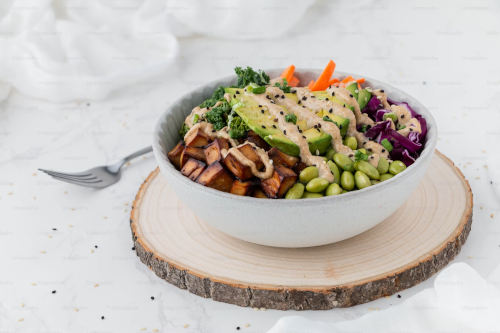
But you shouldn’t overdo it. While protein is essential, too much can kick you out of ketosis through gluconeogenesis, which converts excess protein into glucose. The trick is to balance your protein intake so your body remains in fat-burning mode.
Best Protein Sources on the Keto Diet
High-quality and keto-friendly sources will be the best options to guarantee that you’re on par with protein intake on a keto diet. So, here are some of the finest ones:
1. Animal-Based Proteins
Generally speaking, animal products contain a lot of protein and easily fit into a ketogenic diet. The following are some of the best protein sources derived from animals:
- Fatty Fish: Salmon, mackerel, and sardines are replete with protein and heart-healthy omega-3 fatty acids.
- Grass-Fed Beef and Poultry: Grass-fed beef, chicken, and turkey are nutrient-dense options to provide protein in one’s diet.
- Eggs: They are among those foods that are versatile and keto-friendly. Furthermore, they possess a very good balance of proteins and fats, and for added measure, eggs can be prepared in so many ways. This makes them very convenient to take as part of one’s protein intake.
2. Plant-Based Proteins
Though the ketogenic diet is highly meat-oriented, there are plant-based alternatives one could look at for a more vegetarian or vegan approach:
- Tofu and Tempeh: Made from soy, these are lower in carbohydrates and higher in protein; they make excellent substitutes for meat items.
- Nuts and Seeds: Almonds, walnuts, chia seeds, and flaxseeds are excellent protein sources and healthy fats. Just be mindful of portion sizes, as nuts can add up in carbs pretty fast.
How To Increase Protein Intake Without Overdoing It
Not finding it easy to meet your protein requirement? Here are some easy ways to increase your intake while keeping within keto allowances:
Keto-Friendly Protein Snacks
Incorporating keto-friendly snacks will help increase your protein intake during the day. Some great options include:
- Hard-Boiled Eggs: Preparing a batch of hard-boiled eggs at the start of the week will always ensure that you have a protein-heavy snack in your bag wherever you go.
- Beef Jerky: Go sugar-free to keep the carbs low. Jerky serves as a quick, on-the-go source of proteins.
- Cheese Sticks: Full-fat cheese has excellent proteins and fats; hence, it’s an ideal keto snack.
Why Is Protein So Important?
While many individuals focus on the fat aspect when it comes to a ketogenic diet, protein plays several vital roles, including:
1. Maintaining Muscle Mass
When on a ketogenic diet, especially for someone working out or trying to build lean muscle, protein is required to fix and build muscle tissue. If you aren’t getting enough protein, then your body can begin to break down muscle for energy, which defeats the purpose of anyone trying to gain muscle or keep what they have.
2. Supporting Your Immune System
It aids your body in making the antibodies needed to fight off infections and diseases. If you don’t consume enough protein, your immune system can grow weak, leaving you vulnerable to disease.
3. Keeping You Full
Protein is more satiating than fats and carbohydrates; it makes you feel fuller longer. This reduces overall food consumption, which can lead to weight loss, a main goal for many keto dieters.
Finding a Balance with Protein to Remain in Ketosis
One mistake many keto dieters make is the belief that they must avoid protein altogether to remain in ketosis. While it’s true that too much protein will start gluconeogenesis and increase glucose levels, this isn’t quite a black-and-white process. If you eat in moderation, protein won’t knock you out of ketosis if you stay with a low-carb, high-fat approach.
To avoid this, pay attention to the quality of your protein. Focus on nutrient-dense, high-quality sources, such as grass-fed meats and wild-caught fish. Limit your highly processed meats since these can be full of preservatives and other ingredients that will not foster your goal.
Monitoring Your Protein Intake
On the keto diet, you want to stay on top of your macros, and protein isn’t any different. A great way to monitor your protein intake is with a food-tracking app. You log your meals, and they give you an idea of how much protein, fat, and carbs you have in one day.
Besides that, meal prep is another strategy that can help an individual cover their protein intake. Planning meals greatly reduces the chances of reverting to high-carb foodstuffs when hungry.
Conclusion
Getting enough protein on keto doesn’t necessarily have to be complex. Focus on high-quality, high-nutrient protein sources and balance that off with healthy fats to meet your body’s basic protein requirement without sacrificing ketosis. Monitor your protein intake through tracking, meal prep, and mindful eating; that way, you know you’re feeding your muscles and immune system and supporting overall health. Whether one wants to snack on hard-boiled eggs or hunker down into dinner consisting of salmon, the options are endless for meeting keto diet protein goals.