How Strong Communities Cope With Traumatic Events
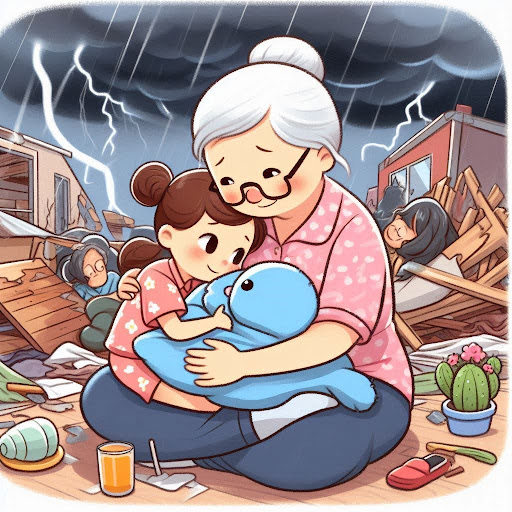
(Image created by Microsoft Copilot)
When disaster hits, communities pull together in amazing ways. Folks lean on each other, share what they have, and offer comfort.
People set up aid centers and gather for town meetings to make recovery happen. Experts say quick communication and solid planning are key.
With different voices coming together, new ideas emerge for rebuilding stronger bonds. Even Aunt Sally joins in the call to action, ready with her warm heart and steady hands to help mend what’s been torn apart.
Immediate Response: Mobilizing Community Resources
Quick action can make all the difference in minimizing damage and helping people. Here’s who you should contact depending on the situation:
- Fire Department: In case of arson or any fire-related incident.
- Police Department: For crime scene security and initial investigation.
- Local Emergency Management Office: Coordination for large-scale incidents like natural disasters.
- Red Cross or Local Shelter Organizations: Temporary housing and basic necessities.
- Utility Companies (Gas/Electric): To ensure safety from potential hazards.
These contacts create a foundation for effective recovery efforts.
Mental Health Support: Building a Network of Care
After trauma, mental health support becomes crucial. It’s about providing emotional and psychological aid to help people process their experiences.
Here’s how communities can offer this essential support:
- Crisis Hotlines: Immediate access to counselors who provide guidance and reassurance.
- Local Therapy Services: Individual or group therapy sessions for ongoing support.
- Support Groups: Spaces where survivors share experiences and foster mutual understanding.
- School Counseling Programs: Assistance specifically tailored for children and teens impacted by trauma.
- Community Workshops: Sessions focusing on stress management, resilience-building, and coping strategies.
These resources empower individuals to heal within a supportive community network.
Addressing Severe Environmental Damage
Severe environmental damage from events like fires or storms demands professional intervention. Volunteers can provide invaluable support, but certain tasks require expert skills and equipment:
- Hazardous Material Removal: After a disaster, toxins such as asbestos or chemical spills may linger. Experts handle these materials using specialized gear to ensure the environment is safe for return.
- Water and Mold Remediation: Floodwaters bring hidden dangers beyond visible damage – mold growth being a primary concern. Professionals employ advanced drying techniques and antimicrobial treatments to eliminate moisture sources.
- Structural Assessments: When buildings endure significant impacts, structural engineers step in to evaluate stability. Their assessments guide necessary repairs and assure safety before re-occupancy.
- Specialized Cleanup Services: Companies like National Crime Scene Cleanup use cutting-edge methods to clean and restore severely affected sites thoroughly, minimizing health risks associated with contamination.
- Collaboration with Local Authorities: Professional teams coordinate efforts with emergency management services to align cleanup operations under local regulations – streamlining recovery processes efficiently.
Engaging professionals helps communities tackle complex restoration, allowing Aunt Sally to focus on handing out blankets and comforting those in need!
Resilience in Action: Embracing the Community Spirit
Communities show true strength when faced with adversity. Through professional support, shared resources, and compassion, they emerge stronger. Together, we rebuild lives and ensure safety for the future – embracing resilience every step of the way.