
14 Uncommon Facts About Ancient Jewelry Traditions in California
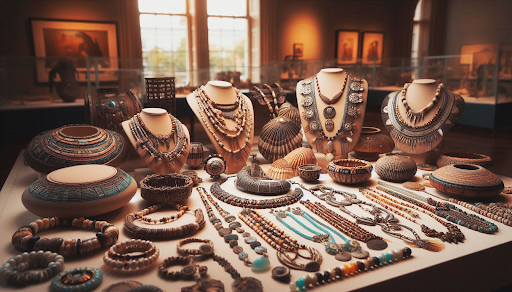
Imagine strolling through time, uncovering jewelry traditions rooted in California’s rich past. You’ll explore the artistry of indigenous beadwork and discover Spanish influences on ancient jewels.
These timeless designs still captivate today, offering insights into modern tastes. Ready to dive deeper into these fascinating histories?
Read along for facts you probably didn’t know!
1. Indigenous Peoples Used Abalone Shells for Ornamentation
First up, the vibrant hues of abalone shells attracted indigenous artisans across California. These stunning iridescent treasures adorned necklaces and headdresses, each piece meticulously crafted to reflect status or spiritual beliefs.
Over centuries, this tradition showcased intricate craftsmanship while preserving cultural narratives through dazzling ornamentation.
2. Early Tribes Crafted Beads from Olivella Shells
Long before European contact, coastal tribes expertly shaped Olivella shells into beads around 1000 B.C.E. These tiny treasures held significant value as both personal adornment and currency in trade networks.
Crafting required precision, often resulting in highly prized items across indigenous communities.
3. Mission Era Introduced European Jewelry Techniques
By the late 1700s, Spanish missions had reshaped California’s jewelry landscape. Artisans embraced European metalworking and stone-setting techniques, merging them with native designs.
This fusion persists today in modern pieces, where historical influence meets contemporary craftsmanship, reflecting a rich cultural tapestry.
4. Gold Rush Brought New Gemstones and Metals
The 1849 Gold Rush didn’t just transform economies; it revolutionized jewelry in California. Prospectors uncovered not only gold but also unique gemstones, fueling creativity among artisans.
These newfound treasures mingled with accessible luxury gems like the freshwater pearl, creating intricate designs that endure today.
Contemporary artists still honor this legacy at regional festivals, where tradition meets modern flair.
5. Trade Networks Expanded with Sea Otter Pelts
In the era of extensive trade, sea otter pelts held significant economic power in California. Jewelry makers traded these luxurious items for materials like shells and beads, fostering cultural exchanges that enriched regional jewelry craftsmanship over time.
6. Spanish Influence Added Silver to Local Designs
Silver, a staple in many people’s jewelry collections, found its way into California designs during the Spanish era. Craftsmen skillfully incorporated this precious metal with native elements, blending tradition and innovation.
This combination endures today, influencing how regional artisans create their signature styles.
7. Wampum Beads Served as Currency in Barter
Remember the barter trade era? In California, wampum beads weren’t just decorative; they held monetary value.
Created from shell fragments, these beads circulated widely among tribes, symbolizing wealth and fostering economic relationships throughout the region.
8. Native Cultures Valued Turquoise for Spiritual Power
That century-old blue-green gemstone you admire? Indigenous peoples cherished turquoise, believing it held protective and healing properties.
Jewelry crafted with this stone symbolized spiritual power and connection to nature, influencing modern interpretations in today’s culturally rich designs.
9. Red Abalone Holds Cultural Significance Among Tribes
Red abalone shells, striking in their vibrant colors, played a pivotal role in tribal ceremonies. Today, they remain cherished for their beauty and cultural symbolism, inspiring artisans to craft meaningful jewelry pieces that honor tradition.
10. Quartz Crystals Featured in Sacred Adornments
Did you know quartz crystals adorned spiritual artifacts like Chumash charmstones? The Maidu people included them in spirit bundles, recognizing their mystical properties. These traditions still influence jewelry, adding depth to designs through sacred symbolism.
11. Historic Pieces Displayed Complex Metalwork Skills
Complex metal work skills shine in historic pieces like intricate copper bracelets and hammered gold pendants. Past artisans combined creativity with technical prowess, crafting jewelry that spoke volumes about their mastery, much like today’s revered craftsmanship found in modern bespoke designs.
12. Basket Weaving Influenced Certain Jewelry Styles
It might sound a little weird, but traditional basket weaving left its mark on jewelry design in prehistoric California. The interwoven patterns inspired detailed beadwork and metal designs that reflected both functionality and beauty in unique adornments.
13. Totem Symbols Engraved on Wooden Ornaments
Ever noticed intricate totem symbols on jewelry? Early Californians carved these into wooden ornaments, capturing tribal stories and beliefs. This artistic expression preserved cultural heritage, influencing contemporary pieces that honor ancestral traditions through symbolism today.
14. New Materials Blended into Contemporary Designs
Have you seen modern pieces incorporating unexpected elements? Artisans mix traditional motifs with new materials like recycled metals and unconventional stones. This innovative approach breathes life into jewelry, creating vibrant, meaningful designs that resonate across cultures today.
And voila! That’s a trip down memory lane worth taking. Discovering California’s jewelry traditions connects us to our past, enriching today’s fashion and culture in unexpected ways.