
Best Fire, Water, and Mold Restoration Services in Paso Robles
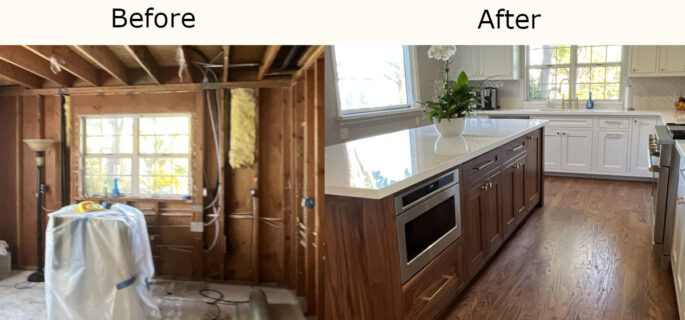
Best Fire, Water, and Mold Restoration Services on the Central Coast
Selecting the right restoration contractor makes all the difference when dealing with emergency damage—big or small—reducing stress and ensuring peace of mind. Quality restoration work demands expertise, whether you need water extraction, fire damage repair, mold remediation, or comprehensive property recovery. We’ve compiled our recommendations to help you find the best restoration service for your Central Coast home or business.
Central Coast Casualty Restoration, Inc., Atascadero, CA 93422 (805) 466-5419
Central Coast Casualty Restoration, Inc. provides professional fire, water, and mold damage restoration services throughout San Luis Obispo County. With over 30 years of experience, the team offers reliable cleanup and restoration solutions for both residential and commercial properties, including 24/7 emergency response when damage occurs.
Rock Solid Heritage, Heritage Ranch, CA 93446 (805) 506-4933
Esco Mitigation Services, Central Coast, CA (805) 305-0109
El Paso Restoration Inc, Atascadero, CA 93422 (805) 458-7110
SERVPRO, CA 93422 (805) 466-6618
Action Flood Experts LLC, Atascadero, CA 93422 (805) 600-4435
Finding the Right Restoration Company: What You Need to Know
Verify Credentials and Coverage
Before hiring any restoration contractor, confirm they hold valid California state licenses for the specific services they provide—this is mandatory for contractors performing restoration work. Additionally, request proof of both workers’ compensation and general liability insurance to protect yourself from potential liability during emergency situations.
Evaluate Experience and Stability
Ask how long the company has been operating and how long they’ve maintained their current location. A well-established business with a stable presence often indicates reliability and trustworthiness—critical qualities when you’re facing property damage emergencies.
Understand Permit Requirements
Be aware that certain restoration work, particularly structural repairs following fire or water damage, may require building permits to ensure compliance with local codes and proper documentation for insurance claims.
Verify 24/7 Emergency Availability
Water and fire damage require immediate response to minimize loss. Confirm that the company offers true 24/7 emergency services, not just an answering service. Ask about their typical response time and whether they dispatch crews during nights, weekends, and holidays.
Compare Pricing Structures
Carefully Don’t make your decision based solely on initial estimates. Restoration companies use different billing methods—some charge by project scope while others use hourly rates plus materials. When requesting estimates, clarify exactly what’s included in the quoted price. The lowest estimate doesn’t always represent the best value; comprehensive restoration often requires specialized equipment like industrial dehumidifiers, air scrubbers, and moisture detection tools. Always ask about potential additional charges for equipment rental, content storage, emergency response fees, or antimicrobial treatments. When comparing quotes, make sure you’re making an apples-to-apples comparison.
Insurance Claims Assistance
Most reputable restoration companies work directly with insurance carriers and can help navigate the claims process. Ask whether they provide documentation, photo evidence, and moisture readings for insurance purposes. Some companies even offer direct insurance billing, though you should verify this doesn’t limit your choice of contractor.
Understand Certification and Standards
Look for certifications from industry organizations like the Institute of Inspection, Cleaning and Restoration Certification (IICRC). These certifications indicate technicians have received proper training in water damage restoration, fire and smoke restoration, and mold remediation. Ask about their adherence to industry standards for moisture detection, drying protocols, and containment procedures.
Know the Scope of Services
Restoration projects often involve multiple phases: emergency mitigation, structural drying, demolition, mold remediation, reconstruction, and final restoration. Clarify whether the company handles all phases in-house or subcontracts certain work. Full-service companies often provide better continuity and accountability throughout the restoration process.
Understand Warranty Coverage
Most reputable restoration companies offer warranties on their services, typically covering workmanship and guaranteeing proper drying and mold remediation. Ask specifically about mold remediation guarantees and what recourse you have if moisture issues reoccur. Remember that warranties on reconstruction work may differ from emergency mitigation services.
Service Coverage Area
The top-rated fire, water, and mold restoration companies on the Central Coast typically serve all of San Luis Obispo County, including Paso Robles, Atascadero, Templeton, Morro Bay, Cayucos, Cambria, San Simeon, San Miguel, Shandon, Santa Margarita, Creston, and Lake Nacimiento area communities such as Heritage Ranch and Oak Shores.
Frequently Asked Questions About Fire, Water, and Mold Restoration
How much does mold remediation cost in California?
Mold remediation costs in California vary significantly based on the extent of contamination, location, and accessibility. Small, contained areas (under 10 square feet) may cost between $500 and $1,500, while moderate projects (10-100 square feet) typically range from $1,500 to $4,000. Extensive mold problems affecting multiple rooms or whole-house remediation can cost $10,000 to $30,000 or more. Factors affecting price include the type of mold, structural damage requiring repair, necessary demolition, air quality testing, and the complexity of containment procedures. Always obtain multiple detailed estimates that specify the scope of work, materials, and testing protocols.
How much does fire damage restoration cost?
Fire damage restoration costs depend on the severity of damage, affected square footage, and extent of smoke and soot penetration. Minor fire damage confined to one room might cost $3,000 to $10,000, including cleaning, odor removal, and minor repairs. Moderate damage affecting multiple rooms typically ranges from $10,000 to $50,000, while extensive whole-house fire restoration can exceed $100,000 or more, especially when structural rebuilding is required. Additional factors include water damage from firefighting efforts, HVAC system cleaning, content restoration or replacement, and specialized odor removal treatments. Most homeowners insurance policies cover fire damage restoration, though deductibles and coverage limits apply.
Who pays for mold remediation in California?
Responsibility for mold remediation payment depends on the cause and your insurance coverage. Homeowners insurance typically covers mold remediation if it results from a covered peril, such as sudden water damage from burst pipes or storm damage. However, mold resulting from long-term neglect, poor maintenance, or gradual leaks is usually not covered. In rental properties, landlords are generally responsible for mold remediation caused by structural issues or maintenance failures, while tenants may be liable if their actions or negligence caused the problem. Review your insurance policy carefully, as many California insurers now limit mold coverage or require separate endorsements. When filing a claim, document all damage thoroughly and respond to remediation needs promptly, as insurance companies may deny claims if damage worsens due to delayed action.
How can I check for water damage?
Checking for water damage requires both visual inspection and attention to subtle warning signs. Look for visible indicators like water stains, discoloration, or dark spots on ceilings, walls, and floors. Check for peeling, bubbling, or cracking paint and wallpaper, which often indicate moisture intrusion. Feel surfaces for dampness or unusual softness, particularly drywall and flooring materials. Inspect areas prone to leaks including under sinks, around toilets, near water heaters, around windows and doors, and in basements or crawl spaces. Use your nose—musty or earthy odors often signal hidden moisture problems. Watch for warped or buckled flooring, sagging ceilings, and increased humidity levels. Check your water bill for unexplained increases that might indicate hidden leaks. In attics and crawl spaces, look for condensation, wet insulation, or mold growth. Regular inspections of these vulnerable areas, especially after storms or plumbing work, can help catch water damage early before it becomes a major problem.
What to do when you find water damage?
When you discover water damage, act immediately to minimize further harm and protect your property. First, ensure safety—if water is near electrical outlets or appliances, shut off electricity to affected areas at the breaker box. If possible, identify and stop the water source, whether it’s a leaking pipe, appliance malfunction, or roof leak. For burst pipes, turn off the main water supply. Document everything with photos and videos before making any changes, as this evidence is crucial for insurance claims. Remove standing water using a wet/dry vacuum, mops, or towels if the amount is manageable. Move furniture, electronics, and valuables away from wet areas to prevent additional damage. Contact your insurance company promptly to report the damage and understand your coverage. For significant water damage, call a professional restoration company immediately—many offer 24/7 emergency services and can begin mitigation within hours. Time is critical, as mold can begin growing within 24-48 hours of water exposure. Professional restoration companies have specialized equipment like industrial dehumidifiers, air movers, and moisture meters to properly dry structures and prevent secondary damage. Avoid delays, as insurance companies may reduce coverage if damage worsens due to lack of timely action.
Editor’s Note: The Best of Central Coast Restoration is a special feature highlighting local businesses that our writers and editors have personally vetted and found to be reliable and trustworthy. The companies featured here have demonstrated exceptional service as local providers. To suggest a business for consideration in the Best of Central Coast series, contact us or call Access Publishing at (805) 226-9890.