
California health officials warn against picking wild mushrooms amid poisonings, deaths
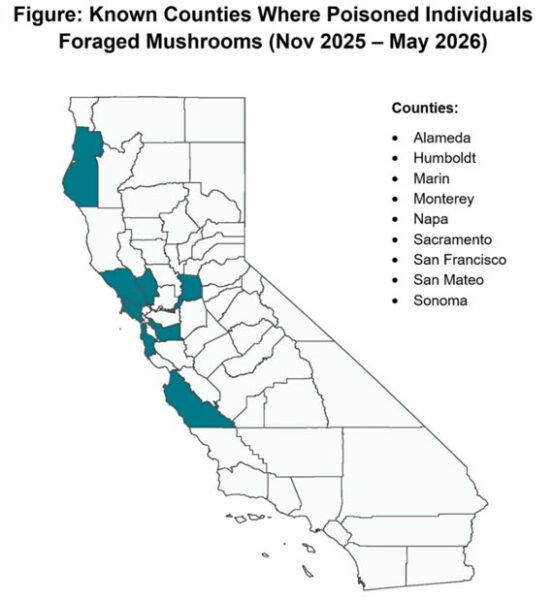
– California health officials are warning residents not to pick or eat wild mushrooms after a surge in poisonings linked to poisonous species growing across the state.
According to the California Department of Public Health, 50 mushroom-related poisoning cases have been reported statewide since November, including four deaths and four liver transplants.
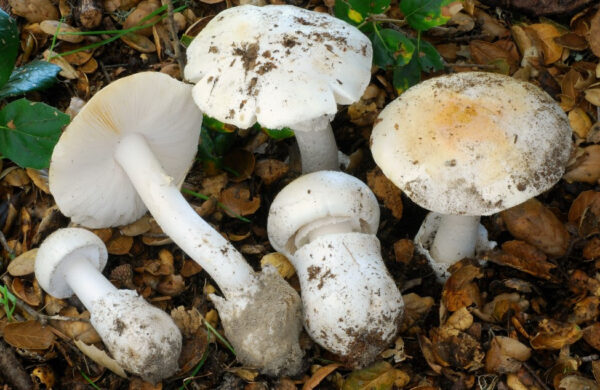
The department said the outbreak has continued for seven months and involves poisonous mushrooms such as Death Caps and Western Destroying Angels. Officials said the mushrooms have caused severe liver damage in both children and adults.
Since mid-April alone, the California Poison Control System has received reports of 12 additional poisoning cases, exceeding the state’s previous major outbreak in 2016, which involved 14 total cases. In a typical year, California records fewer than five reported mushroom-poisoning cases.
Cases have been reported throughout Northern California and the Central Coast, including in counties where the mushrooms have historically been uncommon. Health officials said poisonous mushrooms were collected from public lands, including county parks, city parks, and national parks.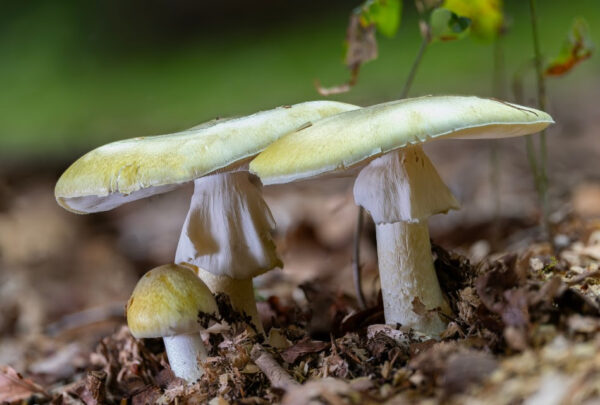
The department said recent rains may have contributed to an unusual resurgence of Death Cap mushrooms beyond their normal growing season. While Western Destroying Angels typically bloom into spring, officials said Death Caps would normally be declining by this time of year.
Health officials warned that Death Caps and Western Destroying Angels closely resemble several edible mushroom species in both appearance and taste, making them difficult to identify even for experienced foragers.
The California Department of Public Health advised residents to avoid picking and eating wild mushrooms, noting the mushrooms remain poisonous even after cooking, boiling, freezing, or drying. Officials also recommended purchasing mushrooms only from trusted grocery stores and retailers and keeping children and pets away from wild mushrooms.
Officials said anyone who may have eaten a poisonous mushroom should seek medical care immediately and contact the California Poison Control System hotline at (800) 222-1222.
Initial symptoms can include watery diarrhea, nausea, vomiting, abdominal pain, and dehydration within six to 24 hours after ingestion. Officials said symptoms may temporarily improve before serious or fatal liver damage develops within 48 to 96 hours.
The department said it continues to coordinate with the California Poison Control System and local health partners on investigations, tracking, and public education efforts. Multilingual educational materials are being distributed statewide in English, Spanish, Mam, Mixteco, Mandarin Chinese, Ukrainian, and Russian.
For the latest information on wild mushroom-related poisonings, visit California Poison Control System or CDPH Poisonous Wild Mushrooms, also available in Spanish.
Additional resources
- CDPH’s interactive data dashboard provides case information on the outbreak associated with poisonous wild mushrooms.
- CDPH’s health advisory (5-14-26) was issued to medical providers and local health jurisdictions on May 14.
- www.cdph.ca.gov