Column: Why most councilmembers’ work happens beyond the council chambers
The job you don’t see
– Most people see the council meetings twice a month.
That’s the visible part.
About 90% of the job happens outside the council chambers.
Learning beyond the dais
Councilmembers are assigned to a variety of committees. I serve as a liaison or voting member on several local and regional committees related to housing, parks, economic development, education, homelessness, and water.
This is where the real work—and learning—happens.
Through the Housing Authority, I learned that more than 3,000 people are on the waiting list for affordable housing. That’s not abstract—it’s essential context that shapes how I approach decisions at the Council level. It’s also important information to bring back to my council colleagues.
Connecting the dots
By staying engaged across different bodies, I can help connect information, people and processes across the community.
When I saw Norma’s Alley presentation on the Planning Commission agenda, I shared that with the Main Street Organization so business owners and stakeholders could participate in the discussion.
The same is true for parks. When I know a parks item is coming to Council or a community workshop is being scheduled, I can give families a heads-up so they have the opportunity to engage.
Understanding the realities behind decisions
Sometimes the learning happens in unexpected places. At the ribbon-cutting for Royal Oak Meadows Park, I met the seven staff responsible for maintaining all city parks. That perspective matters when we talk about staffing levels, maintenance expectations, future park expansion, and long-term budgets.
Good decisions require understanding not just what the community wants, but what it takes to implement.
The council’s core responsibilities
The Council also has major governance responsibilities. We hire and evaluate the City Manager and City Attorney—roles that shape how the City operates day-to-day and how policy gets implemented. We adopt the vision, goals and budget for the City. We also interview and select candidates for all of the advisory bodies and commissions.
Work between meetings
Beyond formal meetings much of the role involves being present in the community— meeting with residents, attending events, helping people navigate city processes, and working through neighborhood concerns.
And when it comes to council meetings, the work goes far beyond reading the agenda. It’s asking questions, reviewing materials, speaking with staff and stakeholders, researching issues and doing the homework needed to make informed decisions.
Educate, engage, empower
At its core, the job includes educating myself to make informed decisions. It involves helping residents better understand how local government works so they can participate more effectively in shaping the priorities.
It means identifying issues, building partnerships, sharing information and strengthening connections between residents, organizations, staff, and decision makers.
Because better information leads to better participation—and better participation leads to better decisions.
That’s what it takes to shape the future of Paso Robles.
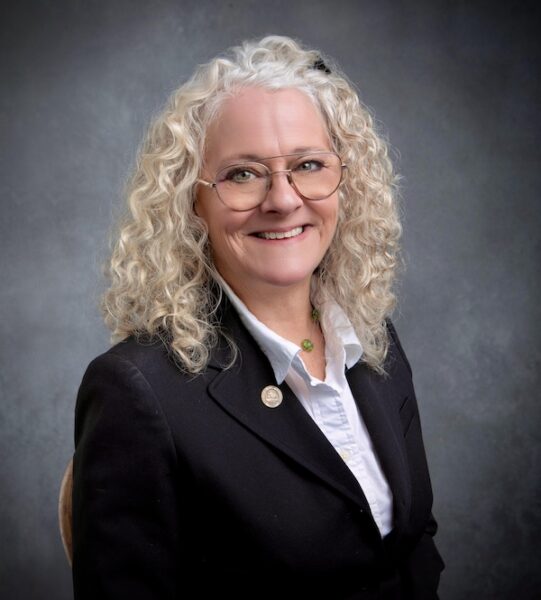
Kris Beal
Paso Robles City Councilmember, District 1
Kbeal@prcity.com