
County urges rabies precautions as bat encounters rise
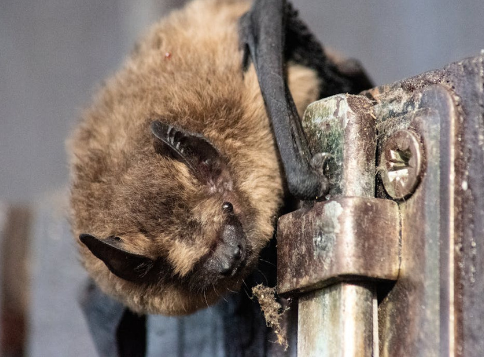
Seven rabies cases confirmed last year, three so far this year
– The San Luis Obispo County Public Health Department and Animal Services Division are urging residents to take steps to prevent rabies in light of seasonal increases in wildlife activity and recent reports of bat encounters.
“Rabies is not just a threat in far-off places or only in wild animals—it’s a real danger that can affect people right here in our community,” said Dr. Penny Borenstein, county health officer. “The good news is that it’s entirely preventable. If you think you’ve been exposed—by a bite, scratch, or contact with saliva—seek medical care immediately.”
In 2024, seven rabies cases were confirmed in wildlife from around San Luis Obispo County. Three more cases have already been reported so far this year. While the county has not seen a case of rabies in a domestic animal for many years, these numbers underscore the importance of taking the risk seriously.
County officials emphasize the importance of vaccinating pets and livestock as the first line of defense. “Your animals are often your first protection against rabies,” said Dr. Eric Anderson, county animal services manager. “Vaccinating your animals not only protects them but also creates a barrier between you and this deadly virus. It’s a simple action that saves lives.”
Community members are also advised to avoid contact with wild animals, particularly bats. If a dead or injured bat is found, do not touch it. Instead, contact San Luis Obispo County Animal Services at (805) 781-4400. Prompt reporting helps prevent exposure to both humans and other animals.
“Bats are one of the most common sources of rabies in California,” said Dr. Anderson. “Even if a bat looks dead or harmless, it may still carry the virus. Call us—we’re trained to handle it safely.”
For more information on rabies prevention and vaccination resources, residents can visit the Centers for Disease Control and Prevention website.