Update: DUI checkpoint, saturation patrol results released
Update posted Feb. 13:
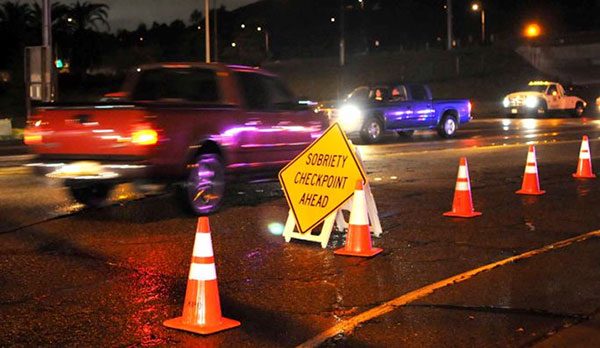
– A DUI checkpoint held by San Luis Obispo Police on the 500 block of Higuera on Feb. 7, 2025, from 8 p.m. to 1 a.m. resulted in the contact of 605 vehicles. Two drivers were cited for operating a vehicle with a suspended or revoked license.
DUI checkpoint locations are determined based on reported incidents of impaired driving-related crashes. The primary goal of these checkpoints is to improve public safety by removing suspected impaired drivers from the roads.
On Feb. 9, 2025, additional patrol officers were deployed to identify impaired drivers. Officers contacted 31 drivers for traffic violations, and none were found to be impaired.
Funding for the checkpoint was provided by a grant from the California Office of Traffic Safety, through the National Highway Traffic Safety Administration.
The next DUI checkpoint is scheduled for June 2025.
Original story posted Feb. 6:
DUI checkpoint set for Friday in San Luis Obispo
– Police will conduct a driving under the influence and driver’s license checkpoint on Feb. 7 from 8 p.m. to 2 a.m. in San Luis Obispo, according to the San Luis Obispo Police Department.
Checkpoint locations are determined based on data showing incidents of impaired driving-related crashes. The primary purpose of the checkpoint is to promote public safety by taking suspected impaired drivers off the road.
“Impaired drivers put others on the road at significant risk,” Sgt. Evan Stradley said. “Any prevention measures that reduce the number of impaired drivers on our roads significantly improve traffic safety.”
Police remind the public that impaired driving is not limited to alcohol. Some prescription medications and over-the-counter drugs may interfere with driving. While medicinal and recreational marijuana are legal in California, driving under the influence of marijuana remains illegal.
Drivers charged with a first-time DUI face an average of $13,500 in fines and penalties, as well as a suspended license.
Funding for the program was provided by a grant from the California Office of Traffic Safety, through the National Highway Traffic Safety Administration.