
Fort Hunter Liggett firefighters assist with Palisades Fire response
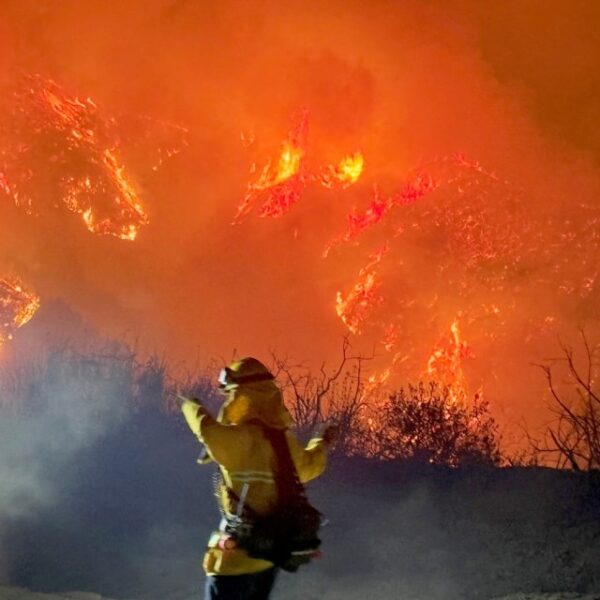
Extreme fire behavior, including short and long-range spotting, continues to challenge firefighting efforts for the Palisades Fire, California. CAL FIRE Incident Management Team II has been activated to assist Los Angeles County Fire and Los Angeles City Fire. Firefighters and air resources will continue to work to protect the community, and infrastructures and gain control over fire containment. Courtesy photo.
Fort Hunter Liggett routinely collaborates with agencies through mutual aid agreements
– The Fort Hunter Liggett Fire and Emergency Services team supported a mutual aid request for the Pacific Palisades Fire in Southern California from Jan. 9-21. Firefighters James Krenkel, Ken Hanna, and Clayton Gardner deployed as part of a Monterey County Office of Emergency Services Strike Team, which included five Type III fire trucks. The Fort Hunter Liggett crew brought a Wildland Firefighting Engine, designated E-8833.
Fort Hunter Liggett routinely collaborates with organizations such as CAL Fire and the U.S. Forest Service through mutual aid agreements.
“The crew was enthusiastic to support the Southern California wildfire response when the call came for assistance,” said Fort Hunter Liggett Fire Chief Clinton Tolle. “It is beneficial in many ways when deploying firefighting crews to support a wildfire. It provides our firefighters a great opportunity to use their skills, retain and progress with qualifications, gain valuable experience, and strengthen the bonds with our partners.”
Fire Capt. James Krenkel, who served as the engine boss during the deployment, said the Strike Team included fire crews from Salinas, Seaside, and Monterey. Krenkel noted that Fort Hunter Liggett’s prescribed burns plan helps reduce wildfire risks in the region, which includes the Los Padres National Forest.
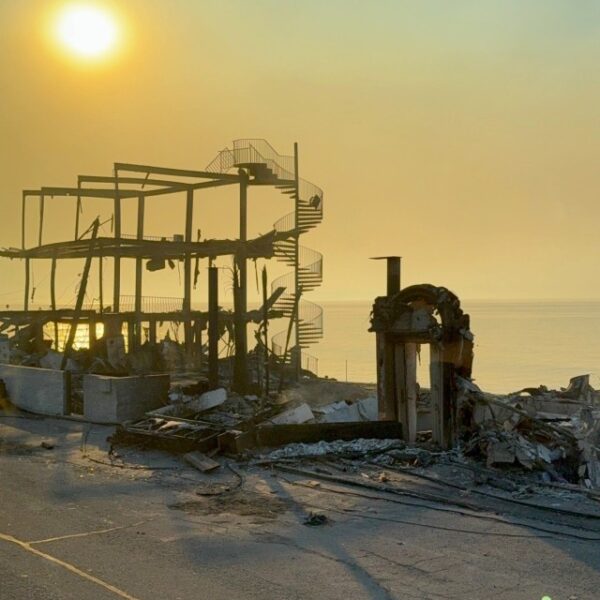
Three hundred structures were destroyed with more than 13,000 more threatened in the Palisades Fire, California. Courtesy photo.
The Strike Team was assigned to structure protection, which involved monitoring advancing fires, cooling areas with hoses, and using air support when needed to protect structures. The team successfully protected a house depicted in photos and assisted with cleanup efforts to prepare the area for residents’ return.
“Morale was high during the whole deployment,” Krenkel said. “Southern California fires provide unique fire experience because they kind of break the mold on traditional firefighting. Fires burn more extreme at night, and structures basically become fuel.”
For official updates on the Palisades Fire, visit https://www.fire.ca.gov/incidents/2025/1/7/palisades-fire/updates/fb42ddab-8486-4dc5-be48-c6f1144a1647. To learn how to reduce wildfire risks for your home, visit https://www.ready.gov/wildfires.