
Governor orders action on ultra-processed foods, dyes
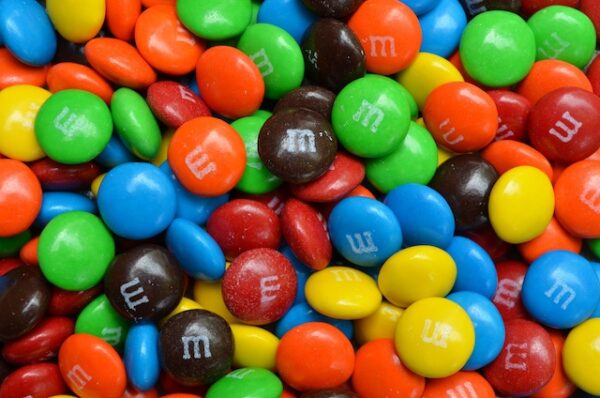
Dietary Guidelines Advisory Committee reports 73% of U.S. adults are overweight or obese, with 38 percent of youth ages 12 to 19 prediabetic
– Gov. Gavin Newsom issued an executive order on Thursday directing California state agencies to develop recommendations to limit the health risks associated with ultra-processed foods and synthetic food dyes. The order also seeks to expand access to affordable, healthy food options and address the impact of chronic illnesses on Californians.
“The food we eat shouldn’t make us sick with disease or lead to lifelong consequences,” said Newsom. “California has been a leader for years in creating healthy and delicious school meals and removing harmful ingredients and chemicals from food. We’re going to work with the industry, consumers, and experts to crack down on ultra-processed foods and create a healthier future for every Californian.”
The order directs state agencies to:
- Recommend actions to limit the harms of ultra-processed foods and food ingredients posing health risks.
- Investigate the health impacts of synthetic food dyes.
- Propose strategies to reduce the purchase of soda, candy, and other ultra-processed foods while incentivizing healthy food purchases through the CalFresh program.
- Assess requiring Medi-Cal Managed Care plans and California hospitals to use community funds to enhance access to fresh foods and mitigate food deserts.
- Identify areas where California can adopt higher standards for healthy school meals than federal guidelines.
- Explore new partnerships and standards to expand universal school food programs.
First Partner Jennifer Siebel Newsom supported the initiative, emphasizing its impact on health equity. “Through today’s executive order, we’re making a decisive and transformative commitment to further California’s work to prioritize health and nutrition as fundamental building blocks for thriving communities,” she said.
The initiative comes as the Dietary Guidelines Advisory Committee reports 73% of U.S. adults are overweight or obese, with 38 percent of youth ages 12 to 19 prediabetic. Studies from the Centers for Disease Control and Prevention link healthy eating to reduced risks for heart disease, stroke, and diabetes.
School nutrition leadership
California leads the nation in school meal programs, exceeding federal safety and nutrition standards by reducing added sugars and sodium while increasing fruits, vegetables, and whole grains, according to a pres release from the governor’s office. The state’s Universal Meals Program offers two free meals daily to all public school students.
California also restricts sodas and caffeine on K-12 campuses and mandates that school entrees meet specific nutritional standards. New rules limiting sugar in non-dairy milk are expected in 2025.
Recent legislative actions
The state legislature has passed several measures to improve food safety, nutrition, and access, including:
- AB 2316: Prohibits synthetic food dye additives in school foods.
- AB 660: Standardizes quality and safety date labels to reduce food waste.
- AB 418: Bans Red Dye No. 3 and other harmful additives in food products.
- AB 518: Enhances data collection for increased CalFresh enrollment.
- AB 1830: Requires folic acid fortification in corn masa products.
- AB 2033: Mandates food stores on public college campuses to accept SNAP/EBT cards.
- AB 2786: Establishes certified mobile farmers’ markets to increase access to fresh produce.
Click here to view the full executive order.


Too little too late. New Scum and his actress wife, just want to get more money from taxpayers to line their personal pockets.



Too little too late. New Scum and his actress wife, just want to get more money from taxpayers to line their personal pockets.