
How Prediction Markets Are Changing Sports Odds Conversations
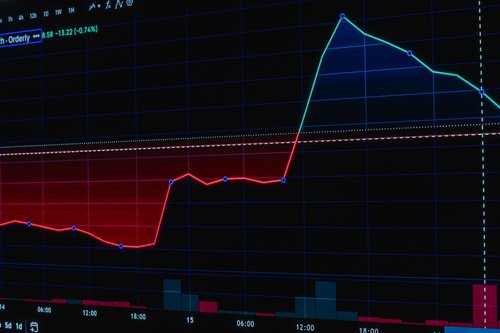
Sports fans are used to comparing point spreads, moneylines and predictions before a big game. And now prediction markets are adding another option. This has raised questions about how fans interpret prices and understand the rules governing them.
Football fans encounter a new market
Ahead of an NFL matchup, a fan might check recent results, review injury reports and compare sportsbook odds. Prediction markets introduce another way to assess the same game.
Instead of placing a conventional sportsbook wager, users can trade event contracts linked to specific outcomes. Their prices show market expectations and might pay out depending on whether the specified event occurs.
The products are not interchangeable. Sportsbooks commonly display moneylines, point spreads and totals, while prediction markets use contract prices. Both communicate expectations about a game, but their structures and rules differ.
Understanding what a number represents is a useful starting point. A price that looks attractive in one market can’t necessarily be compared directly with a sportsbook line.
The regulated sportsbook market faces competition
The American Gaming Association (AGA) estimates that Americans will legally wager $29.5 billion on the 2026 NFL season through regulated commercial sportsbooks. Its projection published September 4, is broadly unchanged from the estimated $29.4 billion wagered during 2025.
Prediction platforms are increasingly competing for attention within this established market.
The disagreement concerns more than business competition. Traditional sportsbooks generally operate under state and tribal gaming laws, subject to licensing requirements where they offer wagering. Prediction-market operators have argued that their event contracts fall under federal derivatives regulation instead.
The AGA has challenged this expansion, arguing that sports-related contracts can bypass established state frameworks.
For consumers, the difference between them is important. Two products might concern the same football game but operate under different regulatory arrangements. Understanding those differences can be just as important as comparing prices.
Market share signals a shifting audience
Figures reported by Axios on September 21, 2026 show how the industry has changed. Citing Sensor Tower research, the report said traditional sportsbooks’ share of legal U.S. sports wagering fell from 76% in 2023 to 64% in the first half of 2026. Prediction markets’ share rose from 1% to 16% over the same period.
As these platforms compete for attention, fans might encounter different products through advertising, online discussions and coverage of major sporting events.
When comparing information, look at the difference between:
- Sportsbook odds: Prices attached to conventional wagers, like a team winning or covering a point spread
- Event-contract prices: Market prices for contracts tied to specified outcomes
- Predictions and analysis: Commentary about a team’s chances, rather than an available price or guaranteed result
Keeping these categories separate makes it easier to understand what a platform is actually offering.
Sports contracts now reach beyond football
The debate isn’t just about NFL Sundays. Sports-related event contracts can cover different competitions. This extends the discussion across leagues and seasons.
The Commodity Futures Trading Commission (CFTC) maintains a public database of products filed by trading organizations. Its listings offer a way to examine contracts submitted within the federal derivatives framework including sports-related products.
The central question is how these contracts should be classified when they concern sporting outcomes. A product might use financial-market terminology, but that language on its own doesn’t settle how a regulator should treat it.
Rules shape the information fans receive
Federal derivatives oversight and state gambling regulation are different systems, with practical consequences for consumers.
State-regulated sportsbooks have to follow the requirements attached to their licenses. Prediction market platforms have argued that their contracts fall under federal rules, while critics contend that sports-related contracts can function like gambling products and should face state restrictions.
The disagreement affects market access, oversight and consumer protections. It also makes it important to look beyond a platform’s own description of its products.
Readers comparing options should check whether a product is available in their jurisdiction, review its terms and understand which regulatory framework applies. Availability alone doesn’t establish that every product is permitted everywhere.
Finding context beyond a single price
A displayed price will never really tell the whole story of a sporting event. Team form, injuries and matchup analysis are all important too, while promotional offers bring their own terms to consider.
Covers provides sports odds, picks, predictions and betting information following this. Its guide to the Kalshi promo code is worth a read for those looking for promotional offers and wanting to try out prediction markets. As with any offer, eligibility requirements and conditions should be checked before making a decision.
The key is to separate sports analysis from assumptions about a contract’s legality or availability. A prediction is not a promise, and similar-looking prices don’t necessarily describe identical products.
Prediction markets are changing how sports outcomes are discussed. This brings new terminology and regulatory questions into familiar conversations. Understanding the differences between event contracts and traditional sportsbook wagers helps fans follow the debate.