
Opinion: Rights, responsibilities and our future – protecting children from predatory advertising
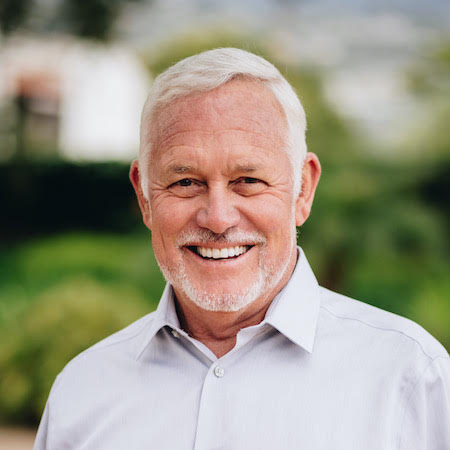
Ron Cuff.
– In a world increasingly driven by profit margins and consumer addiction, we face a critical crossroads in how we protect our most vulnerable citizens. For centuries, mankind has acknowledged that rights and privileges are not universal—what applies to adults often should not extend to children. With rights come responsibilities, and perhaps our greatest collective responsibility is safeguarding the next generation.
Let’s be clear: children must be protected by all adults—not just parents, teachers, and caregivers, but neighbors, school boards, elected officials, and the business community at large.
Children have an inherent right to protection, which means advertising harmful products to them should be prohibited. Health and Human Services Secretary Robert F. Kennedy Jr. has proposed banning pharmaceutical advertising and highly processed food promotions targeting children. This challenges the contemporary notion that every discomfort requires a pill or that processed foods engineered to trigger dopamine release are appropriate solutions to emotional needs. Contrary to what advertising suggests, there isn’t a drug for every problem—and many substances, including alcohol, often exacerbate the issues they claim to solve.
Look around and you’ll see businesses marketing toxic products in full view of impressionable youth. For decades, liquor stores and “smoke shops” selling tobacco, Kratom, CBD, and colorful drug paraphernalia have advertised where children can see. Now, cannabis retailers and delivery services have joined this troubling trend.
Children lack many rights adults take for granted. No reasonable person would argue that children should drive, vote, or enter binding contracts. Similarly, they should never be allowed access to alcohol, nicotine, or cannabis. Dr. Anna Lembke, chief of Stanford University’s Addiction Medicine Dual Diagnosis Clinic and author of “Dopamine Nation,” explains why:
“The teenage brain is what you might call ‘under construction.’ The brain is cutting back on neural circuits we don’t use and greasing the wheels (lining with myelin) the neural circuits we use most often. By the time we reach age 25, we’re left with the neurological scaffolding we’ll have for the rest of our adult lives. We can still learn after age 25, but not as quickly. Which is why it’s so important to develop healthy coping strategies early in life that don’t involve using drugs.”
Life will improve for everyone when we acknowledge two fundamental truths: children have the right to develop without influence from addiction-for-profit industries, and children do not share the same rights as adults. This balanced understanding is essential for creating a healthier society where young people can thrive.
Ron Cuff, USN (Ret.)
Paso Robles, Calif.
Editor’s note: Opinion pieces and letters to the editor are the personal opinions of the authors and do not necessarily reflect the views of the Paso Robles Daily News or its staff. We welcome letters from local residents regarding relevant local topics. To submit one, click here.




Thank you once again, Mr. Cuff. Your insights provide an essential opportunity for us to come together and confront the cannabis and alcohol industries, which often target our youth and jeopardize their futures in pursuit of profit. The effects can be seen in our riverbeds, highlighting the urgent need for action. By addressing these issues locally, we can positively change our communities. I hope your words inspire thoughtful discussions and proactive measures, as many lives and futures depend on our efforts!



Thank you once again, Mr. Cuff. Your insights provide an essential opportunity for us to come together and confront the cannabis and alcohol industries, which often target our youth and jeopardize their futures in pursuit of profit. The effects can be seen in our riverbeds, highlighting the urgent need for action. By addressing these issues locally, we can positively change our communities. I hope your words inspire thoughtful discussions and proactive measures, as many lives and futures depend on our efforts!