
Understanding the Mechanisms of Stem Cells in Stroke Recovery
If your loved one has suffered a stroke, then you know how this condition can limit physical capabilities, cognitive function and quality of life. But while there is no cure for this condition, stem cell therapy shows great promise in helping stroke patients regain control of their mind, body and life.
In this article, we’ll talk about how stem cells support stroke recovery, and the treatment protocols, benefits and limitations of stem cell therapy.
Types of Stem Cells Used in Therapy
Mesenchymal Stem Cells (MSCs)
Adult mesenchymal stem cells (MSCs) are stromal cells with self-renewal and differentiation properties. MSCs can come from a donor or the recipient’s own tissues. MSCs are ethically obtained from fat tissue, gum tissue, bone marrow, placenta or an umbilical cord.
Exosomes
Exosomes are microvesicles of stem cells that carry the same therapeutic capacities as the stem cells but are more effective at influencing changes in the body.
Clinics like Swiss Medica use MSC-derived exosomes to increase the efficacy of stem cell treatment because they can travel to local and remote regions of the body and influence the behavior of other cells to promote cell regeneration.
Exosomes stimulate the release of cytokines that regulate the immune system and growth factors that promote cell proliferation. Exosomes also remain active in the body longer than stem cells, which means patients also experience the benefits of stem cell therapy for longer.
Other Cells (Macrophages, T-reg Lymphocytes)
Macrophages are immune system cells that target and destroy microorganisms and stimulate other immune cells. Macrophages are effective in stem cell therapy due to their natural ability to modulate the immune system and target areas of inflammation within the body.
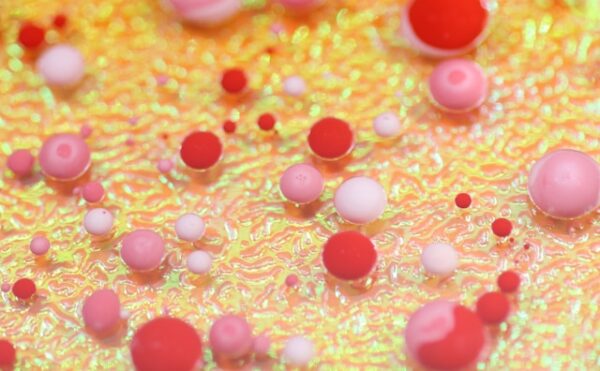
Photo by FlyD on Unsplash
T cells are immune system cells that fight infection in the body. T-reg lymphocytes are a subpopulation of T cells that suppress immune responses, playing a crucial role in preventing autoimmunity.
Mechanisms of Stem Cells in Stroke Recovery
Stroke occurs when there is a lack of blood flow to the brain, resulting in insufficient oxygen supply and the death of brain cells. Brain damage varies from patient to patient and depends on the type and severity of the stroke. People who suffer from stroke generally experience:
- Paralysis on one side of the face
- Difficulty speaking
- Cognitive issues
- Weakness
- Restricted physical abilities
Stem cells support stroke recovery by migrating to the site of damaged brain tissue, restoring the damaged cells and promoting the growth of new, healthy neurons.
Stem cell therapy for stroke reduces neuroinflammation, which can aid in recovery. Stem cells also promote the growth of new vessels in the area of damaged tissue and regulate the immune response of the body.
Clinical Application and Treatment Protocols
Before patients receive stem cell therapy for stroke recovery, they must go through a pretreatment evaluation to determine eligibility and rule out any contraindications. Clinics like Swiss Medica will create personalized treatment plans and administer stem cell treatment without long wait times.
Stem cells in stroke treatment are obtained from the patient’s own fat tissue, gum tissue or blood marrow and then sent to a lab for testing. Once the stem cells pass quality and safety testing, they’re administered to the patient through a simple injection.
Patients can expect improvements in their condition in as little as a week, with full results taking weeks or even months to manifest.
During follow-up appointments, doctors observe the recovery process and make any adjustments to the treatment plan, including additional stem cell injections.
Benefits and Limitations of Stem Cell Therapy for Stroke
After stem cell therapy, patients can begin to see improvements in stroke symptoms such as:
- Improved speech
- Improved facial expressions
- Cognitive improvements (memory, thinking)
- Strength gained in muscles and joints
- Improved motor function

Photo by Sincerely Media on Unsplash
Stem cell therapy is also a non-invasive treatment and comes with very few side effects. While stem cell therapy can have amazing benefits for stroke recovery, it’s not a magic cure. Treatment success can be limited by the patient’s age, hereditary disposition, severity of stroke and lifestyle choices.
The benefits of stem cell therapy are greater when combined with other supportive therapies, such as physiotherapy or speech therapy.
In Conclusion
MSCs derived from the recipient’s fat tissue or bone marrow are the most common type of stem cell used in stroke recovery. This is due to the safety, effectiveness and ethical sourcing of MSCs. MSCs treat stroke by targeting the site of damaged brain tissue and restoring and replacing damaged neurons.
With proper treatment protocols, patients can see improvements in physical abilities, cognitive function and speech. However, while the benefits of stem cells in stroke treatment are promising, recovery is more likely when stem cell therapy is combined with speech and physiotherapy.