
Valley fever cases rise after record year in California
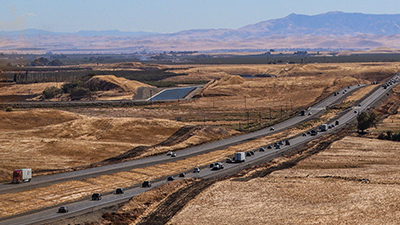
Photo from cdph.ca.gov.
Nearly 12,500 cases reported statewide in 2024, highest on record
– The California Department of Public Health is warning residents, visitors, and health care providers that Valley fever cases remain high in 2025 following a record year in 2024.
Valley fever, also known as coccidioidomycosis or “cocci,” is caused by a fungus that grows in the soil in certain areas of California, particularly in the Central Valley and Central Coast. People can become sick after breathing in dust containing the fungus, often in late summer and fall. Symptoms can include cough, fever, trouble breathing, chest pain, and fatigue, and may appear one to three weeks after exposure. More details on symptoms are available at cdph.ca.gov.
California reported nearly 12,500 cases in 2024, the highest on record, up from 7,000 to 9,000 annually between 2017 and 2023. Through the first six months of 2025, more than 5,500 provisional cases have been reported. Rates remain highest in the southern San Joaquin Valley, but have been increasing in the northern Central Valley and Central Coast.
“California had a record year for Valley fever in 2024 and, so far, case counts are high in 2025,” said CDPH Director and State Public Health Officer Dr. Erica Pan. “If you have been sick with symptoms like cough, fever, trouble breathing, and tiredness for more than 7 to 10 days, please talk to a health care provider about Valley fever, especially if you’ve been outdoors in dusty air in the Central Valley or Central Coast regions.”
While most people recover without treatment, the illness can cause pneumonia or severe, chronic, or fatal infections. Older adults, people who are pregnant, those with diabetes or weakened immune systems, and people who are Black or Filipino have higher risks for severe illness. More information on risk factors is available at cdph.ca.gov.
To reduce exposure risk in areas where Valley fever is common, CDPH recommends staying indoors during windy, dusty conditions, keeping windows closed, wetting soil before digging, and wearing a properly fitted N95 respirator if outdoors in dusty air. Prevention tips are listed at cdph.ca.gov.
People should ask their health care provider about Valley fever if they have symptoms lasting more than a week, have been in an area where the disease is common, or have had recent exposure to dust from outdoor work or activities. Only a health care provider can diagnose and determine treatment, which may involve blood or other laboratory tests.
For more information, visit the CDPH Valley fever page or the Valley fever data and publications page. Guidance for health care providers is available on the CDPH Valley fever provider page.